mixing vintage finds with contemporary style for a layered Australian home
Contemporary Australian interiors are increasingly shaped by a desire for personality, warmth, and a sense of history that pure minimalism cannot deliver. The global appetite for interiors that tell a story has reached Sydney, Melbourne, and Brisbane in a meaningful way, with homeowners turning to second-hand furniture, heirloom textiles, and architectural salvage to soften the clean lines of new builds. Mixing decades within a single room is no longer seen as a decorating compromise; it is now a deliberate design language.
Australian houses carry a distinctive architectural memory that makes this blending approach feel native rather than imported. Federation homes in Adelaide and Sydney, weatherboard workers' cottages in inner Melbourne, and raised Queenslanders in Brisbane offer a ready-made backdrop of timber floors, deep skirting boards, and ceiling roses. Layering contemporary furniture against these bones feels organic, while a modern apartment in Surry Hills or a new build in one of Perth's coastal suburbs can use carefully chosen older pieces to inject soul into an otherwise blank space.
The challenge lies in cohesion. A 1960s sideboard next to a sleek modular sofa can read as charming or chaotic depending on how the surrounding elements speak to each other. Successful interiors rely on a unifying thread, often a repeated material, a consistent palette, or a deliberate contrast in scale. The following sections walk through how to source, style, and care for vintage finds so they feel integral to a contemporary Australian home rather than incidental.
Drawing on local markets, regional climate realities, and the realities of older Australian housing stock, this guide offers practical pathways for anyone wanting to weave inherited, salvaged, and second-hand pieces into a modern setting. The goal is a home that feels collected, calm, and unmistakably personal.
understanding the contemporary Australian canvas
Contemporary design in Australia has its own vocabulary, shaped by climate, light, and the lingering presence of mid-century and federation architecture. Open-plan living, indoor-outdoor flow, large windows facing north, and materials such as spotted gum, blackbutt, and honed bluestone recur across new builds from Fremantle to Byron Bay. The colour palette tends to lean soft and earthy, with chalky whites, sage greens, terracotta, and warm sand tones dominating interior schemes.
Many Australians live in homes that are already a blend of periods, whether it is a 1970s brick veneer in the suburbs of Geelong, an art deco apartment in Potts Point, or a renovated Victorian terrace in Fitzroy. Contemporary styling within these spaces is less about erasing the past and more about editing it. A modern sofa in a heritage living room is often the rule rather than the exception, and a vintage armchair in a brand-new kitchen can feel entirely at home when chosen with intention.
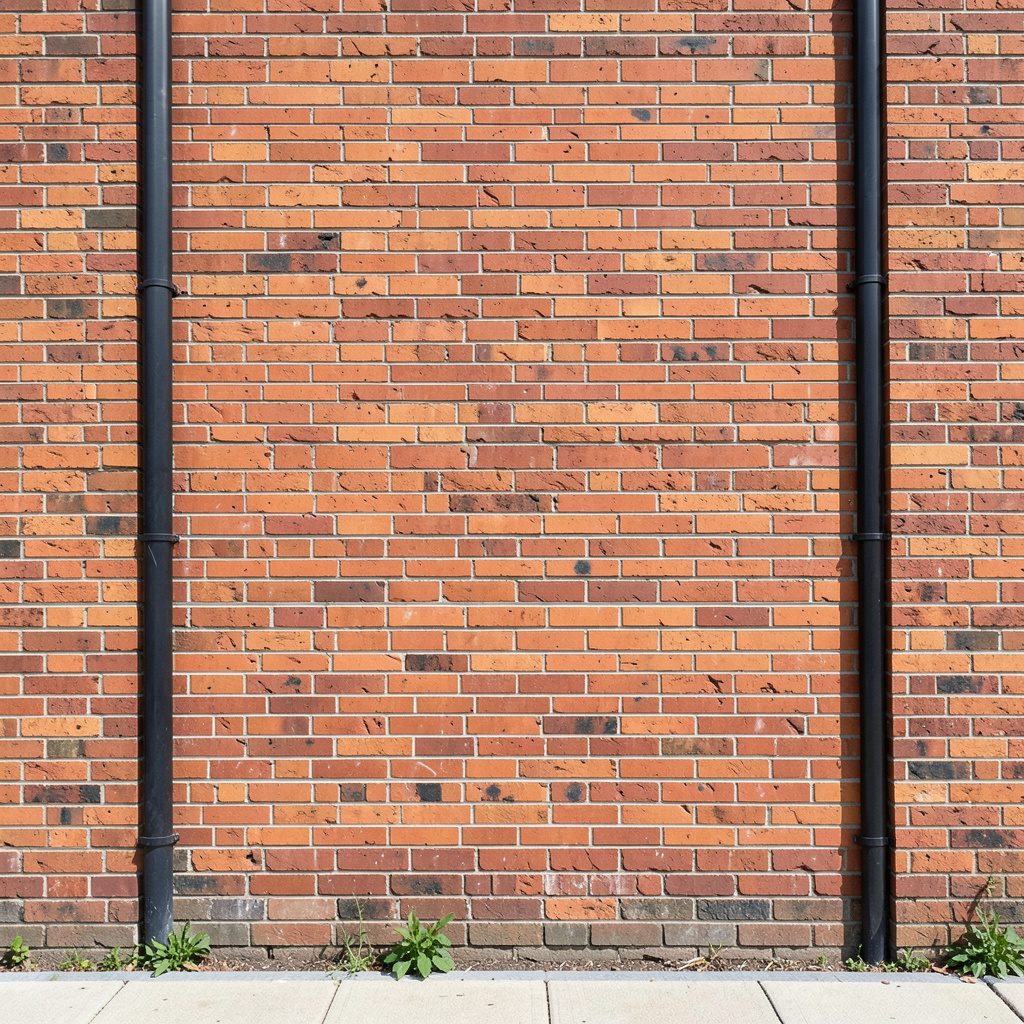
The key is recognising which architectural elements are worth celebrating. Exposed brick, original timber boards, decorative cornices, and stained-glass windows all warrant consideration before any decorating decisions are made. A vintage rug laid over polished concrete, or an old brass reading lamp perched on a streamlined oak console, can become the dialogue between past and present that gives a home its voice.
sourcing vintage finds across Australia
Australia offers a rich landscape for hunting pre-loved furniture, and knowing where to look saves both time and money. Sydney's The Rocks Markets draw weekend crowds looking for retro ceramics, mid-century lighting, and small wooden cabinets, while Melbourne's Camberwell Sunday Market remains one of the country's most reliable destinations for affordable furniture, glassware, and textiles from the 1950s through to the 1990s. Brisbane's Jan Powers Markets and a network of suburban antique stores in Woolloongabba also turn up regional treasures that never reach the larger auction houses.
Kerbside pickups remain a quiet national pastime. Hard rubbish collections in suburbs like Newtown, Brunswick, and West End frequently yield solid timber side tables, cast iron plant stands, and occasionally a set of mid-century dining chairs. Following local Facebook groups, the Gumtree free section, and neighbourhood noticeboards can reward patient hunters with pieces that simply need a clean, a wax, or a fresh coat of low-VOC paint to feel new again.
Estate sales in established suburbs offer another avenue, particularly in older areas of Adelaide, Hobart, and Canberra where families often clear homes that have been unchanged for decades. Auction houses in Richmond and Armadale regularly feature Australian-made furniture from the post-war period, including pieces by designers such as Grant Featherston, Fred Lowen, and Douglas Snelling. For inspiration on combining older items with present-day rooms, a useful starting point is browse Australian design resources, where curated examples illustrate how vintage items can be styled without overpowering a modern interior.
Specialist dealers remain valuable for higher-end finds. Stores in Paddington, Armadale, and Fortitude Valley stock authenticated mid-century and art deco pieces, and many offer restoration services through trusted upholsterers and polishers. Building a relationship with a local dealer often means first refusal on new arrivals, a real advantage when seeking a particular era or silhouette.
balancing old and new through proportion and placement
Scale is the silent partner of successful interior blending. A massive vintage armoire placed in a compact apartment living room will dominate the space, while a petite antique side table can disappear against a generous modular sofa. The trick is to allow one or two older pieces to anchor a room, then surround them with simpler contemporary forms that let the historical objects breathe.
Consider sight lines as well. A vintage bar cart visible from the kitchen in an open-plan home can serve as a daily-use object rather than a relic. A retro floor lamp placed beside a modern reading chair creates a deliberate contrast, drawing the eye and signalling that mixing periods is intentional. When vintage pieces are integrated into daily routines, they stop feeling like museum objects and start feeling like family.
Placement also influences how colour reads. A dark teak sideboard against a white wall reads as graphic and contemporary, while the same piece against deep green panelling feels moody and traditional. By experimenting with positioning, a single vintage item can take on multiple personalities, allowing the same piece to evolve as the surrounding decor shifts over the years.
weaving a unifying palette across eras
Colour is the easiest bridge between an inherited cedar chest and a brand-new boucle armchair. Australian homes often favour warm neutrals because of the bright light, but adding a single accent colour drawn from a vintage textile or piece of art can tie disparate elements together. A faded kilim rug in dusty rose and indigo, for instance, can inspire paint colours, cushion choices, and even the veining in a stone benchtop.
Materials play a similar role. Honed travertine, raw linen, brushed brass, and aged leather appear across both contemporary and vintage design, which makes them reliable unifiers. A leather vintage club chair beside a modern oak coffee table creates harmony through shared material language, even when the silhouettes differ wildly. Likewise, an antique gilt mirror above a streamlined console table brings warmth to an otherwise pared-back entry.
Texture deserves equal attention. Smooth plaster walls, raw concrete floors, weathered timber, and soft woollen throws introduce tactile variety without competing with a chosen palette. In the harsh Australian sun, these layered textures also create depth and shadow, preventing minimalist spaces from feeling flat or sterile.
displaying smaller vintage objects with intention
Collections of small vintage items can quickly become clutter, so curation matters. Open shelving in living rooms and kitchens offers a stage for carefully rotated pieces: a set of retro coffee tins in a Surry Hills apartment, a row of vintage glassware in a Brisbane home, or a single art pottery vase on a shelf in Perth. Grouping objects in odd numbers and varying heights creates visual interest without feeling like a museum display.
Walls can carry the weight of vintage storytelling. A gallery wall mixing framed botanical prints, a worn landscape painting, and a contemporary photograph allows the eye to move between eras. Floating shelves above desks or in hallways can hold rotating objects, so the display feels alive rather than fixed. Leaving breathing room around each piece ensures every object gets its moment.
Vignettes on coffee tables, sideboards, and dining tables also help. A small stack of well-thumbed design books topped with a vintage brass paperweight, a single stem in a hand-thrown ceramic vase, and a retro table lighter can communicate a layered sensibility in a compact footprint. These moments of considered styling carry the same impact as larger furniture choices and require minimal investment.
protecting vintage pieces in the Australian climate
Australian conditions can be tough on older furniture. Intense UV light fades fabrics and bleaches timber, while humidity in coastal regions from Coffs Harbour to Cairns can cause joints to swell and veneers to lift. Placing vintage pieces away from direct sun, using sheer curtains, and applying UV-protective films to north-facing windows all help preserve upholstery and timber surfaces.
Salt air along the coast is a particular concern for metal pieces, including brass lamps and chrome bar carts. Regular wiping with a soft, dry cloth and occasional application of a protective wax can prevent corrosion. Timber pieces benefit from consistent indoor humidity, ideally between 40 and 55 percent, which a dehumidifier or simple air circulation can help maintain during humid summer months.
Restoration is often worthwhile for higher-quality pieces. Re-upholstery with hard-wearing Australian-made fabrics, re-veneering of damaged drawer fronts, and professional polishing of brass and timber can extend the life of a vintage find by decades. A growing number of restoration workshops in Sydney, Melbourne, and Adelaide also offer community classes, where hands-on learning keeps traditional skills alive and helps new owners understand the care their pieces require.
Creating a home that marries vintage character with contemporary comfort is a slow, rewarding process. Every piece added with care contributes to a space that feels both grounded and current, holding memory without feeling dated. For readers wanting to continue exploring this approach, additional resources on styling, sourcing, and seasonal updates are available through vintage home guides, where inspiration and practical advice run side by side for every stage of the decorating journey.